New Marsupial Species Discovered, Likely Extinct
Recent scientific analysis of ancient fossils has led to the remarkable discovery of a new species of marsupial, a close relative of the kangaroo that was likely already extinct long before its existence was known. The findings, unearthed from cave deposits across the Nullarbor Plain and southwest Australia, have shed new light on the region's historical biodiversity.
A collaborative effort between researchers from Curtin University, Murdoch University, and the Western Australian Museum has not only identified this previously unknown bettong species but has also distinguished two new subspecies of the woylie.
The Vital Role of Woylies in the Ecosystem
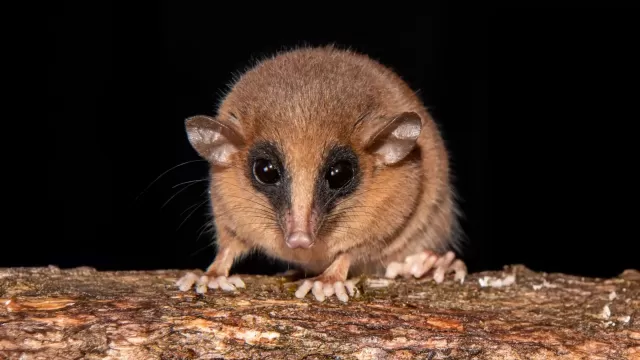
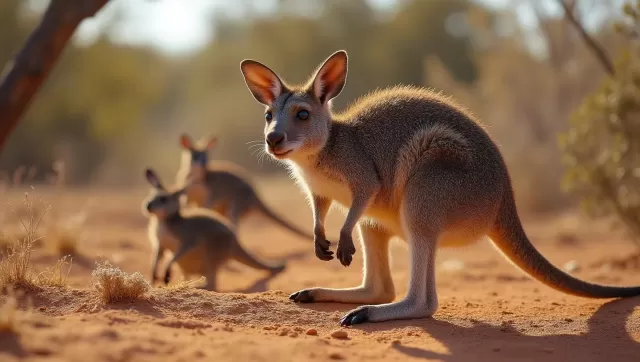
Woylies, also known as brush-tailed bettongs, are small kangaroo-like marsupials that serve a crucial function in their native Western Australian habitats. Considered "ecosystem engineers," these industrious animals dig and displace several tonnes of soil each year while foraging for their main food source, underground fungi. This activity helps to aerate the soil and disperse fungal spores, contributing to a healthier bushland.
Due to their declining numbers, woylies are classified as critically endangered. They have been the subject of intensive conservation programs for many years, making them the most frequently relocated mammal in Australia as conservationists work to establish new, resilient populations.
Fossil Evidence Reveals Lost Diversity
This latest research provides critical new details about the genetic diversity of these important animals. By meticulously examining fossil material, scientists were able to name a completely new species that had vanished from the landscape, alongside the two previously unrecognized woylie subspecies. The discovery highlights the sobering reality that some native species have disappeared before ever being formally documented.
The identification of two distinct living subspecies among the current woylie population has profound implications for their preservation. This genetic distinction is vital information for conservation managers who oversee breeding and translocation initiatives, as it will help ensure the long-term health and genetic fitness of future populations.
Advanced Techniques for Modern Conservation
The research team employed detailed measurements of skull and body fossils, many of which had not been closely studied before, to redefine the diversity within the woylie family. This confirmation of multiple distinct species and subspecies was made possible by re-examining historical collections with modern analytical techniques.
This study demonstrates how integrating paleontological evidence from fossils with contemporary genetic tools can provide powerful new insights. Such a combined approach offers a more complete picture of a species' history and can significantly enhance conservation strategies for critically endangered animals like the woylie.
Naming and Acknowledging Heritage
In honor of the discovery, the scientific name Bettongia haoucharae has been proposed for the new species from the Nullarbor. Recognizing the cultural significance of the animal, the research team plans to consult with Indigenous communities to establish a suitable collaborative name, acknowledging that "woylie" is a word derived from the Noongar language.
The comprehensive findings were supported by an extensive survey of specimens from a wide array of institutions. Collections from the Western Australian Museum, South Australia Museum, Australian Museum, and Museums Victoria were examined, alongside those held by Flinders University and internationally at the Natural History Museum in London and the Oxford University Museum of Natural History.