Museum Unveils 70+ New Species Discoveries
The American Museum of Natural History has announced the identification of over 70 species previously unknown to science. This year's additions to the tree of life cover an immense range of biodiversity, spanning from the depths of prehistory to modern-day remote wilderness. The list includes dinosaurs, diverse insects, mammals, aquatic life, and even a unique mineral composition.
These findings highlight the dual nature of modern biological research. While some species were documented during recent expeditions to isolated corners of the globe, others were "discovered" within the museum's own archives. By applying advanced imaging technology and fresh genomic perspectives to specimens stored for decades, researchers continue to unlock secrets hidden in jars and drawers.
Unearthing Ancient History
Paleontologists made significant strides in understanding Earth's past inhabitants, describing fossils that offer clues about the evolution of lizards, mammals, and dinosaurs.
- Feathered Dinosaurs: Two new species were identified from the Early Cretaceous period in China. Huadanosaurus sinensis, dating back approximately 125 million years, provided a visceral snapshot of ancient ecosystems; the fossil was preserved with the skeletons of two small mammals in its stomach, evidence of its final meal.
- Jurassic Reptiles: On the Isle of Skye in Scotland, an international team uncovered Breugnathair elgolensis. This Jurassic-era reptile possessed a gecko-like body and hooked teeth reminiscent of a python, serving as a vital evolutionary link to modern snakes and lizards.
- Mammalian Evolution: Research into Camurocondylus lufengensis, a squirrel-sized creature from the Early Jurassic, has reshaped scientific understanding of how the mammalian jaw evolved.
Diverse Insect Discoveries
The largest category of newcomers belongs to the insect world, with 47 species of both fossilized and living insects described. These range from ancient specimens trapped in amber to bees currently buzzing in tropical forests.
- Amber-Preserved Flies: Four species of sap flies were found encased in 17-million-year-old Dominican amber. These specimens suggest an unexpected historical biological bridge between the Caribbean and North America.
- Unique Bees: Notable descriptions include a "teddy bear" bee (Habropoda pierwolae) from Vietnam, a Chilean digger bee equipped with a facial comb for gathering pollen, and a fossilized bumble bee from Germany that was preserved while still carrying a pollen load.
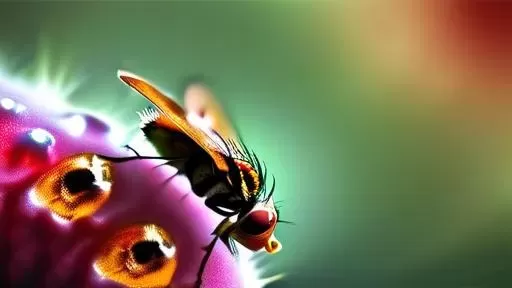
- Jawed Fruit Flies: Two species of fruit flies collected in the Philippines nearly a century ago were finally described. The males exhibit mouthparts modified into hard, jaw-like structures, likely used to hold females during courtship.
Aquatic Life: From Rivers to Reefs
Ichthyologists and marine biologists added several vertebrates and invertebrates to the scientific record, correcting historical misidentifications and documenting rare adaptations.
- Sea Anemones: A new genus and species, Endolobactis simoesii, was found on the Atlantic coast of Mexico. Distinguished by frond-like projections, this find brings the regional species count to twenty-four.
- Congo River Fishes: In a remarkable display of adaptation, two sister species of suckermouth catfish were found separated by only a mile of river. The intense rapids of the Congo River served as a barrier, allowing Chiloglanis kinsuka and Chiloglanis wagenia to diverge evolutionarily.
- Malagasy Cichlids:Paretroplus risengi, a cichlid from northwestern Madagascar, was formally named more than two decades after its initial discovery, distinguished by its unique coloration during breeding seasons.
- Vietnamese Minnows:Supradiscus varidiscus, a suckermouth minnow, sat on museum shelves for 25 years before being identified as the first of its genus found in Vietnam.
Arachnids and Mammals
The research teams also cataloged new arachnids and a high-altitude mammal, emphasizing the importance of diverse habitats.
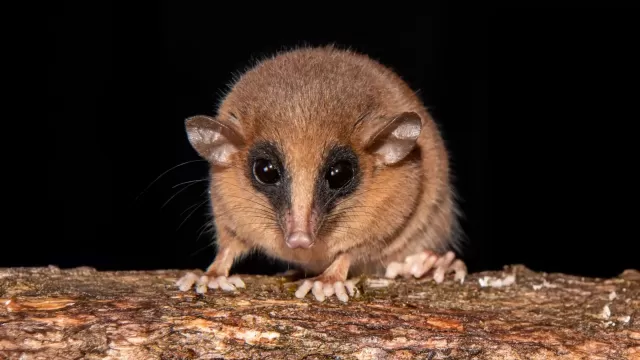
- High-Elevation Opossum: In the Peruvian Andes, scientists identified Marmosa chachapoya, a mouse opossum with a distinctively long nose and tail. It resides in remote areas once inhabited by the pre-Columbian Chachapoya culture.
- Arachnid Diversity: Four new arachnids were described, including a scorpion from Iran (Hemiscorpius jiroftensis) with venom of potential pharmaceutical interest, and a cave-dwelling hooded tick-spider from Venezuela.
A Geological Rarity
Beyond biological life, the museum officially cataloged a new mineral species. Named Lucasite-(La), this mineral was discovered inside volcanic rock in Russia. It was formally approved by the International Mineralogical Association, with the type material now permanently housed in the museum's collection.