Burry's Venezuelan Oil Play: Refiner & Oilfield Services
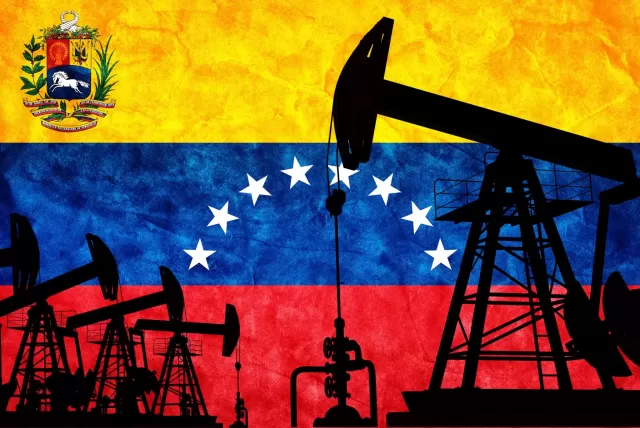
The famed investor behind "The Big Short," Michael Burry, is doubling down on a long-held thesis regarding the energy sector, specifically targeting the potential revitalization of Venezuela's oil industry. Burry recently disclosed that he has maintained a position in Valero Energy since 2020, a stake he intends to hold with even greater conviction as geopolitical shifts suggest the United States may play a significant role in bringing Venezuelan supply back online.
In a recent analysis shared with his followers, Burry highlighted a critical structural advantage for U.S. refiners. The industrial infrastructure along the Gulf Coast was originally engineered to process the specific type of dense, sulfur-rich oil found in Venezuela. For years, these facilities have been forced to operate using alternative, less efficient feedstocks. According to Burry, the return of Venezuelan crude would normalize operations, leading to significantly improved profit margins across major refined products, including jet fuel, diesel, and asphalt.
Key Beneficiaries in the Refining Sector
While the recovery of export volumes is expected to be a gradual process, Wall Street analysts and Burry alike see specific companies poised to capture the most value. The consensus suggests that refiners with complex processing capabilities will see the immediate upside.
- Valero Energy: Identified as the primary beneficiary due to its extensive capacity to handle heavy crude. Following the renewed focus on Venezuela, the company's stock experienced a significant surge, jumping approximately 10%.
- PBF Energy: A smaller refiner noted by Burry that possesses the technical tooling required to process heavy Venezuelan feedstock.
- HF Sinclair: Another diversified energy company well-positioned to capitalize on the changing supply chain dynamics.
Opportunities in Oilfield Services and Infrastructure
The investment thesis extends beyond the downstream refining process. Decades of economic instability and underinvestment have left Venezuela's domestic energy infrastructure in a state of severe decay. Burry points out that any large-scale effort to rehabilitate the country's oil production will require massive technical intervention, creating a lucrative environment for U.S.-based contractors.
Burry confirmed ownership of Halliburton and suggested that the demand for repairs on pipelines and refineries could drive growth for several major service providers. He noted that the existing facilities are in disrepair and that the contracts to modernize them will likely flow to established American firms. This outlook is bolstered by the presence of Chevron in the region, along with the potential for legacy players like Exxon to resolve long-standing litigation claims as relations normalize.
To capitalize on this infrastructure rebuild, the following companies are being watched closely:
- Halliburton: A current holding in Burry's portfolio, with the investor considering increasing exposure through shares or long-term options (LEAPs).
- Schlumberger (SLB): A global leader in technology for reservoir characterization and drilling that could be integral to reviving production.
- Baker Hughes: An energy technology company likely to be tapped for equipment and pipeline rehabilitation.
The Geopolitical Catalyst
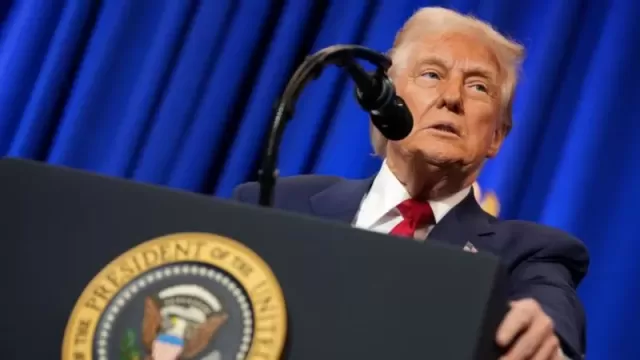
This renewed focus on the energy sector comes in the wake of significant political rhetoric from former President Donald Trump, who advocated for U.S. oil companies to invest in the region following the ousting of Nicolás Maduro. With Venezuela holding the world's largest proven crude reserves, the integration of these resources into the global market represents a massive shift in energy logistics.
Burry's strategy utilizes LEAPs—Long-Term Equity Anticipation Securities—indicating a timeframe that looks beyond immediate volatility. His analysis suggests that as the U.S. potentially assumes a supervisory role in stabilizing the country, the structural reliance of Gulf Coast refineries on heavy crude will finally be satisfied, unlocking value that has been dormant for years.