WHO BioHub Adds MERS-CoV to Boost Pandemic Preparedness
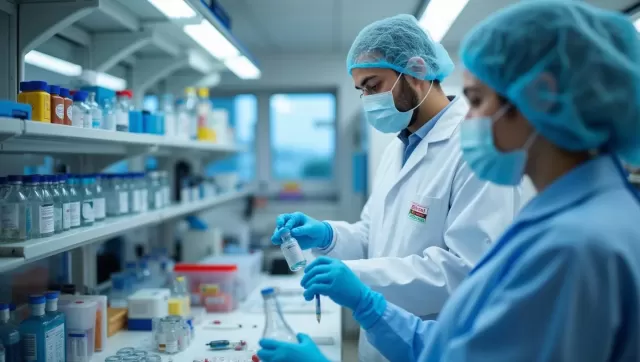
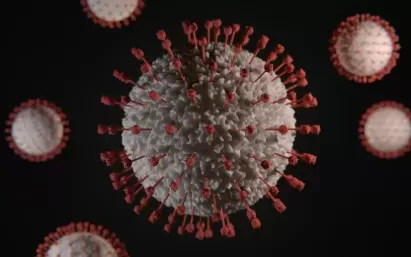
The recent inclusion of a Middle East Respiratory Syndrome Coronavirus (MERS-CoV) isolate into the WHO BioHub System marks a pivotal advancement in global health security. This initiative provides a functional, trusted, and scalable mechanism for the voluntary sharing of pathogens with epidemic or pandemic potential .
Understanding the WHO BioHub System
Established by the WHO Director-General during the COVID-19 pandemic, the BioHub System is designed to overcome the challenges of pathogen sharing that were starkly revealed during recent health crises . Its core mission is to facilitate the rapid and transparent exchange of biological materials, which is crucial for several key areas of public health action:
- Pathogen Characterization and Research: It provides scientists with verified materials to study the biology and behavior of dangerous pathogens.
- Surveillance and Risk Assessments: Access to these materials helps in monitoring the evolution and spread of viruses, informing global risk assessments.
- Development of Medical Countermeasures: The system accelerates the creation of diagnostics, vaccines, and therapeutics by ensuring researchers have rapid access to the essential biological materials needed for their work .
The system operates on principles of equity, transparency, and collaboration. It uses standardized agreements to minimize administrative burdens, ensuring rapid and safe exchange while maintaining high levels of biosafety and biosecurity . A key feature of the BioHub is its commitment to fostering equitable partnerships, ensuring that providers of biological materials are included in joint scientific projects and publications, thereby reinforcing shared benefits across the system .
The MERS-CoV Threat and the Significance of Its Inclusion
MERS-CoV is a zoonotic virus that transmits from dromedary camels to humans. It causes severe acute respiratory disease and has a reported case fatality rate of approximately 37%. Currently, there are no licensed vaccines or specific therapeutics against MERS .
The sporadic nature of MERS outbreaks has made it difficult for researchers to obtain recent virus isolates. Most prior research relied on clade A isolates, which are believed to have been extinct since 2015. The isolate now available in the BioHub is a clade C virus derived from a camel, representing the clade that is widely circulating in African camel populations today . The availability of this contemporary isolate is critical for relevant and effective research.
As stated by Dr. Maria Van Kerkhove, Acting Director of WHO's Epidemic and Pandemic Management Department, sharing such materials is essential as it "helps the world prepare for epidemics and, potentially, pandemics" .
The Expanding Impact of the BioHub System
The WHO BioHub System has seen significant growth since its establishment, with 76 laboratories from 30 countries across all WHO regions now participating . Its collection has expanded to include a diverse range of pathogens crucial for global preparedness.
The table below summarizes the key pathogens currently available in the BioHub repository:
| Pathogen | Details/Strains |
|---|---|
| SARS-CoV-2 | 33 variants of the virus that causes COVID-19 |
| Mpox | Clades Ia, Ib, and IIb |
| Oropouche Virus | Available for research and countermeasure development |
| MERS-CoV | A contemporary clade C isolate |
The system has already proven its value in real-world responses. It played a key role during the COVID-19 pandemic by facilitating the sharing of SARS-CoV-2 variants and during the 2023-2024 mpox outbreak by providing materials that enabled diagnostic validation and basic research in laboratories worldwide .
Future Directions: Integration and Expansion
The BioHub System is a cornerstone of a broader movement to strengthen global health architecture. Its principles align closely with the newly adopted WHO Pandemic Agreement, which specifically emphasizes the importance of pathogen access and benefit-sharing . The Agreement calls for the rapid and timely sharing of pathogen materials and sequences, and mandates that benefits arising from their use—such as vaccines and treatments—are shared fairly and equitably .
Looking ahead, the WHO plans to build upon the current central facility in Switzerland (the Spiez Laboratory) by establishing regional BioHub facilities. This expansion aims to further decentralize resources, enhance local response capabilities, and foster regional scientific collaboration, thereby creating a more resilient global network for health security .
The addition of the MERS-CoV isolate is more than just an update to a repository; it is a testament to a growing global commitment to solidarity. By ensuring critical biological materials and the benefits they generate are shared transparently and equitably, the WHO BioHub System is helping to build a world better prepared for the infectious disease threats of tomorrow.