Parents Decline Newborn Vitamin K Shot: A Growing Concern
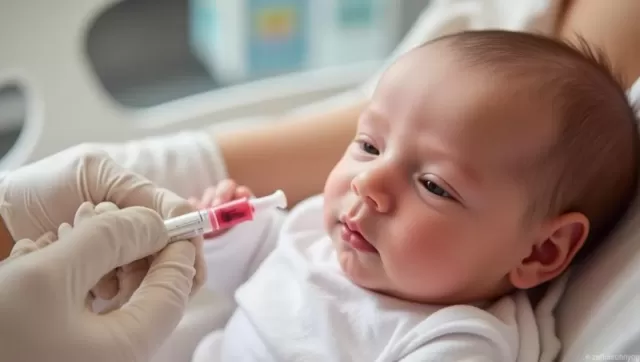
A growing number of parents are declining a crucial vitamin K injection typically administered to newborns, a trend highlighted in a recent study published in the Journal of the American Medical Association (JAMA). This practice, a standard since 1961 in the U.S., aims to prevent a serious condition known as vitamin K deficiency bleeding (VKDB).
The Vital Role of Vitamin K for Newborns
Babies are naturally born with very low levels of vitamin K. This essential nutrient plays a critical role in the body's ability to produce clotting factors, which are vital for stopping bleeding. Without sufficient vitamin K, infants are at a heightened risk of dangerous bleeding, particularly in the brain and digestive system. Organizations like the Centers for Disease Control and Prevention (CDC) and the American Academy of Pediatrics (AAP) emphasize that this deficiency can lead to severe, even life-threatening, hemorrhages.
The widespread administration of the vitamin K shot since its inception has dramatically reduced the incidence of VKDB in the United States. Breast milk, a primary source of nutrition for newborns, does not contain enough vitamin K to compensate for this early deficiency. Therefore, a single injection within the first few hours of life is the most effective way to ensure infants have adequate levels to manage any potential bleeding events. The CDC notes that newborns who do not receive this shot are an alarming 81 times more likely to experience severe bleeding. The consequences of untreated VKDB can be dire, as bleeding can occur internally in areas like the intestines or brain, often without visible signs, delaying critical medical intervention.
Understanding the Rise in Parental Refusals
The increasing hesitancy surrounding this seemingly routine shot is multifactorial. Experts suggest that a general climate of distrust in medical institutions, amplified in recent years, contributes significantly. This skepticism is sometimes fueled by a growing preference for "natural" childbirth and a desire to minimize medical interventions, leading some parents to believe the injection is unnatural or unnecessary. Concerns about injection pain and potential side effects are also frequently cited.
It's important to note that the shift in acceptance rates began before the COVID-19 pandemic, indicating that the increased public skepticism surrounding pediatric preventive care that followed the pandemic is not the sole driver. Misinformation, including the resurgence of a long-debunked 1990 study that falsely linked vitamin K to childhood cancer, also plays a role. Some parents mistakenly equate the vitamin K shot with routine vaccinations and voice similar concerns.
The JAMA study, which analyzed data from over 5 million births across the U.S. between 2017 and 2024, revealed a notable increase in non-administration of the shot. The percentage of infants who did not receive the injection at birth rose from 2.92% in 2017 to 5.18% in 2024, with the most significant acceleration observed after 2020.
Furthermore, births occurring outside of traditional hospital settings, particularly those without physician involvement, have been associated with higher refusal rates. External influences, including advice from friends, celebrities, and even some healthcare professionals, can also sway parental decisions.
The irony of this situation is that the success of the vitamin K shot in preventing severe bleeding has made such events rare, leading to a diminished perception of the risk. However, as Dr. Ivan Hand, director of neonatology at NYC Health + Hospitals Kings County, warns, a failure to maintain high administration rates could unfortunately lead to a resurgence of preventable and potentially devastating bleeding incidents, with brain hemorrhages being a significant concern among these cases.