
AIRIS 2025: Shaping the Future of AI in Healthcare
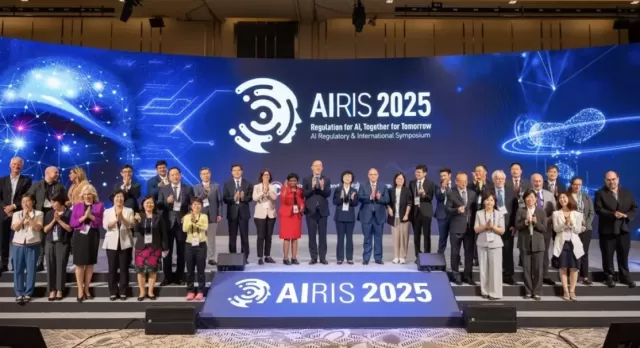
The landscape of healthcare is rapidly evolving, and artificial intelligence (AI) is playing an increasingly pivotal role in shaping its future. Recognizing the immense potential and inherent challenges of AI in healthcare, the World Health Organization (WHO) and the Ministry of Food and Drug Safety (MFDS) of the Republic of Korea, joined forces to host the Artificial Intelligence Regulatory and International Symposium (AIRIS) 2025 in Incheon, Republic of Korea. Building upon the foundation laid at AIRIS 2024 in Seoul, this gathering served as a critical platform for regulators, academics, industry leaders, and WHO representatives to collaboratively forge a path towards the responsible and ethical integration of AI into healthcare systems worldwide.
This article delves into the key highlights and outcomes of AIRIS 2025, exploring the discussions, regulatory frameworks, and collaborative strategies aimed at ensuring the safe, effective, and equitable use of AI in health.
AIRIS 2025: A Global Platform for Shaping AI in Health
Under the overarching theme of "Regulation for AI, Together for Tomorrow," AIRIS 2025 facilitated robust discussions centered around the responsible application of AI across the entire medical product lifecycle. The symposium emphasized the necessity of developing and deploying AI systems in a manner that prioritizes safety, ethics, inclusivity, and accountability. Participants explored existing and emerging regulatory frameworks, sharing best practices and insights to address the unique challenges posed by AI in healthcare.
Dr. Tedros Adhanom Ghebreyesus, WHO Director-General, aptly summarized the essence of the symposium, stating, "As AI becomes more sophisticated and its health applications expand, so must our efforts to make them safe, effective, ethical, and equitable."
Key Themes and Discussions at AIRIS 2025
AIRIS 2025 addressed a wide array of critical topics related to AI in healthcare, including:
- Regulatory Frameworks: Examining existing and emerging regulatory approaches for AI-driven medical devices, diagnostics, and treatments. Discussions focused on balancing innovation with patient safety and data privacy.
- Ethical Considerations: Addressing the ethical implications of AI in healthcare, including bias mitigation, algorithmic transparency, and ensuring equitable access to AI-powered solutions.
- Data Governance: Exploring the challenges and opportunities related to data collection, sharing, and security in the context of AI development and deployment.
- Clinical Validation: Discussing the need for robust clinical validation studies to ensure the accuracy, reliability, and effectiveness of AI-based healthcare applications.
- Workforce Development: Addressing the skills gap and the need for training and education to prepare healthcare professionals for the integration of AI into their practice.
- International Collaboration: Fostering collaboration and knowledge sharing among countries to promote the responsible and harmonized adoption of AI in healthcare.
AIRIS Incheon 2025: The Outcome Statement
The Outcome Statement from AIRIS Incheon 2025 encapsulated the key recommendations and actionable steps identified during the symposium. These recommendations provide a roadmap for policymakers, regulators, and stakeholders to navigate the complex landscape of AI in healthcare:
1. Lifecycle-Based Regulatory Approach:
A comprehensive, lifecycle-based regulatory approach is essential to govern AI applications across the entire medical product lifecycle, encompassing:
| Stage | Regulatory Focus |
|---|---|
| Development | Data quality, algorithm transparency, bias detection and mitigation, safety considerations |
| Clinical Trials | Rigorous evaluation of AI performance, patient safety monitoring, ethical considerations in trial design |
| Manufacturing | Ensuring consistency and reproducibility of AI algorithms, quality control measures |
| Evaluation | Post-market surveillance, performance monitoring, continuous improvement of AI algorithms |
| Post-Market Surveillance | Monitoring real-world performance, identifying and addressing potential risks or biases, ensuring ongoing safety and effectiveness |
2. Risk-Proportionate Regulation:
Regulatory requirements should be tailored to the specific risks associated with each AI application, considering national contexts and health system needs. This involves a tiered approach, where higher-risk applications are subject to more stringent regulations and oversight.
3. Stronger International Collaboration:
Bridging the gaps between countries and cultivating a trustworthy global AI ecosystem requires enhanced international collaboration. This includes sharing best practices, harmonizing regulatory standards, and jointly addressing ethical and technical challenges.
4. Sustained Global Governance:
The AIRIS platform should be maintained as a regular forum for dialogue among regulators, international organizations, and technical partners. This ongoing dialogue is crucial for shaping the future of AI regulation in healthcare and ensuring its responsible and equitable implementation.
The Road Ahead: A Commitment to Responsible AI in Health
AIRIS 2025 has played a pivotal role in advancing the global conversation surrounding AI in healthcare. The symposium underscored the importance of proactive and collaborative efforts to ensure that AI technologies are developed and deployed in a responsible, ethical, and equitable manner.
The WHO and MFDS reaffirmed their dedication to co-hosting AIRIS in the years ahead, with the goal of expanding its reach and impact on the global healthcare landscape. By promoting transparency, equity, and accessibility in AI governance, AIRIS will continue to serve as a vital platform for shaping the future of AI in health.
FAQs about AI in Healthcare and AIRIS
Q1: What are the main benefits of using AI in healthcare?
AI offers numerous potential benefits, including improved diagnostic accuracy, personalized treatment plans, enhanced efficiency in healthcare operations, and the ability to analyze large datasets to identify trends and patterns that can improve patient outcomes.
Q2: What are the ethical concerns surrounding the use of AI in healthcare?
Key ethical concerns include algorithmic bias, data privacy, lack of transparency, and the potential for AI to exacerbate existing health inequalities. It is essential to address these concerns proactively to ensure that AI is used ethically and responsibly.
Q3: What is the role of regulation in ensuring the safe use of AI in healthcare?
Regulation plays a crucial role in ensuring the safety, effectiveness, and ethical use of AI in healthcare. Regulatory frameworks should address issues such as data quality, algorithmic transparency, clinical validation, and post-market surveillance.
Q4: How can international collaboration help advance the responsible use of AI in healthcare?
International collaboration is essential for sharing best practices, harmonizing regulatory standards, and jointly addressing the ethical and technical challenges associated with AI in healthcare. By working together, countries can accelerate the responsible adoption of AI technologies and ensure that their benefits are accessible to all.