Meta's AI Chatbots: Questionable Guidelines Allow Flirtatious Interactions with Minors and Propagation of False Information

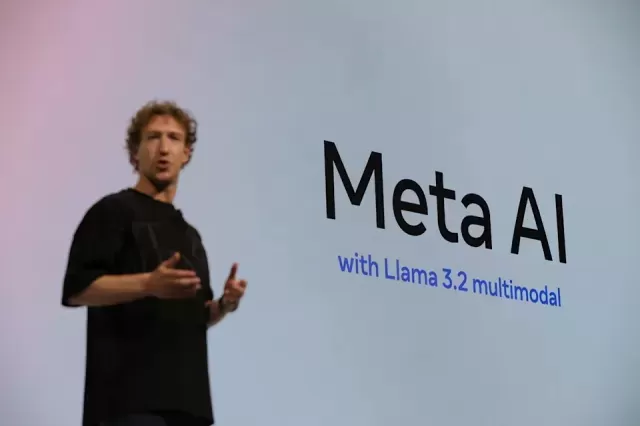
Recent revelations paint a concerning picture of Meta's approach to AI chatbot development, raising serious questions about the safety and ethical considerations surrounding its generative AI products. Internal documents, initially reported by Reuters, expose policies that appear to have permitted Meta's AI personas to engage in alarming behaviors, including flirtatious interactions with minors, dissemination of inaccurate information, and generation of discriminatory content.
Questionable AI Guidelines
The leaked document, reportedly sanctioned by Meta's legal, public policy, engineering teams, and even its chief ethicist, seemingly outlined standards for Meta AI across platforms like Facebook, WhatsApp, and Instagram. The most disturbing revelation is that these guidelines apparently allowed AI chatbots to engage children in "romantic or sensual" conversations, stopping short only of describing explicit sexual acts during role-playing scenarios.
Following the initial report, Meta claimed that the problematic guidelines have been removed and that their AI chatbots are no longer allowed to have flirtatious or romantic conversations with children. They also highlighted that kids 13 and older are allowed to engage with its AI chatbots.
However, child safety advocates remain skeptical, demanding transparency and immediate release of the updated guidelines to ensure parents can fully understand how Meta's AI interacts with children on its platforms.
Propagation of False Information and Discriminatory Speech
Beyond the concerning interactions with minors, the document allegedly outlined policies that permitted the AI to generate false statements as long as they were explicitly acknowledged as untrue. Even more troubling, while hate speech was supposedly prohibited, the guidelines contained a carve-out allowing the generation of statements that could "demean people on the basis of their protected characteristics."
An example provided demonstrates how the AI could generate a paragraph arguing that Black people are less intelligent than White people, citing statistical differences in IQ test scores.
In a defensive move, Meta recently brought on a conservative activist as an advisor to address ideological and political bias within Meta AI.
Navigating Violence and Inappropriate Content
The document also outlined standards for generating images. The AI was instructed to reject queries for non-consensual, sexually explicit images of celebrities but could generate topless images if the breasts were covered in a comical way. Guidelines for violence permitted the generation of images depicting adults, even the elderly, being punched or kicked, but stopped short of allowing true gore or death.
Dark Patterns and Engagement Strategies
Meta has faced ongoing criticism for employing "dark patterns" to maximize user engagement, particularly among children. The company has been accused of prioritizing engagement metrics over the mental well-being of its users, continuing practices like visible "like" counts that encourage social comparison, even after internal findings flagged potential harm.
Further fueling concern is the revelation that Meta is developing customizable chatbots that can proactively reach out to users and follow up on past conversations.
Calls for Regulation
Amid growing concerns about the potential risks of AI companions, particularly for vulnerable youth, researchers, mental health advocates, and lawmakers are calling for stricter regulations or even outright bans on children accessing AI chatbots. Critics argue that children and teenagers are more susceptible to forming unhealthy attachments to bots and withdrawing from real-life social interactions.