Protecting Yourself from Medicare Scams
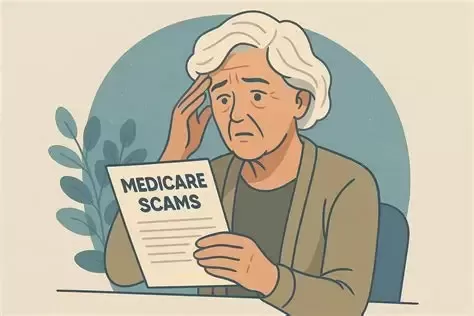
Turning 65 and enrolling in Medicare opens a door to essential healthcare coverage, but it can also invite a wave of deceptive communications. Fraudsters increasingly target new beneficiaries with sophisticated schemes designed to steal personal data. Reports indicate a significant rise in complaints about these fraudulent calls, highlighting the need for vigilance.
Common Medicare Scams to Recognize
Scammers employ a variety of convincing stories to catch people off guard. Being aware of these common ploys is your first line of defense.
- Offers for non-existent "Part C" plans or claims that your current Medicare card is about to expire.
- Calls impersonating your doctor's office, Medicare, the Social Security Administration, or a state insurance department, often stating you must replace your card.
- Promises of refunds due to a supposed change in your plan.
- Unsolicited offers for free medical supplies, care, or prescription medications.
- Threats of an interruption in your coverage if you do not provide immediate information.
A critical principle to remember is that legitimate Medicare representatives do not make unsolicited calls to enroll you or ask for personal details. You typically initiate contact for plan services.
How to Shield Yourself from Fraud
While knowing specific scams helps, applying consistent protective habits is crucial as tactics constantly evolve.
- Guard your personal information carefully. Never share your Medicare number, Social Security number, banking details, or passwords with an unsolicited caller. Only provide your Medicare number to your trusted healthcare providers, pharmacy, or authorized Medicare advisors.
- Resist pressure and threats. Your Medicare benefits cannot be canceled for refusing to sign up for a plan during a cold call. Anyone claiming otherwise is lying.
- Avoid clicking on unexpected links. Delete suspicious emails or text messages without interacting with any links or attachments they contain.
- Scrutinize your Medicare statements regularly. Fraudsters may use stolen information to bill for fake services. Reviewing your "Medicare Summary Notice" or plan statements for any unfamiliar charges is essential to catching fraud early.
Staying informed and cautious allows you to secure your benefits and personal information, ensuring your Medicare experience remains positive and protected.